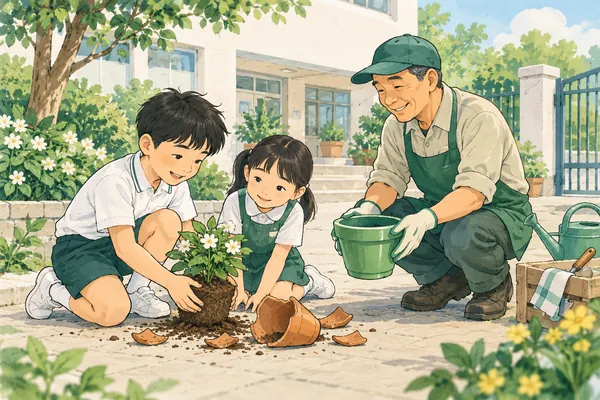
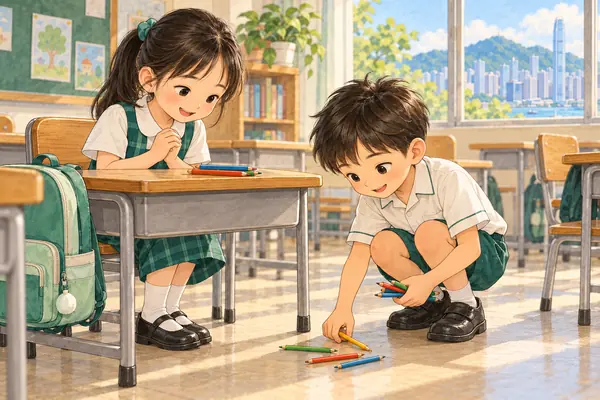
After your child writes, ask them to say in one sentence what happened. Can a reader follow that same event in the draft? This is a home revision method; the task and marking rules for an assessment depend on the school.
Check whether a reader can follow the story
Look for a cause, what the people did, and what happened in the end. If a key step is missing, add that event before replacing simple words with harder ones.
Ask your child what each sentence does. A parent can prompt with questions while leaving the child in charge of the story and its ending.
Check the timeline and ending
If the story is set yesterday, circle the main verbs and check for unplanned switches into the present. Speech and general facts still need their own context; do not add -ed to every verb mechanically.
An ending should respond to the earlier event, perhaps showing how someone solved the problem or reacted. A general line such as It was a nice day may leave the outcome unclear.
Worked example: a useful action adds clarity
This original draft and revision show one way to improve the story.
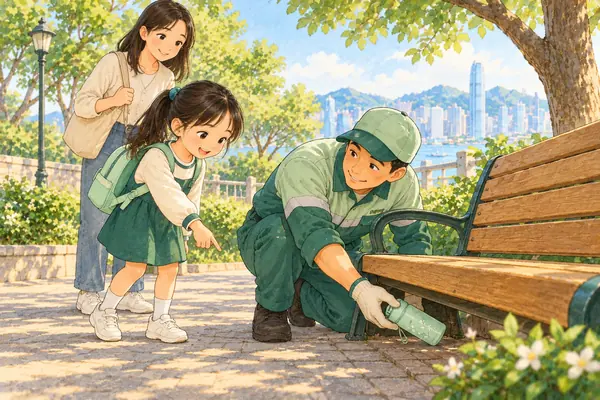
Try it: make the ending follow the event
Ask your child to identify the main problem before writing a final sentence.
Try it yourself
Earlier in the story: Mia dropped her class poster. Her friend helped her pick it up before the presentation.
- Which ending fits better? A. The weather was sunny. B. Mia thanked her friend and carried the poster carefully into the classroom.
- How would you correct Mia thank her friend in this past story?
Show an explained answer
- B responds to the friend’s help and shows Mia’s next action. A has no clear connection with the event.
- Write Mia thanked her friend to describe the completed action.